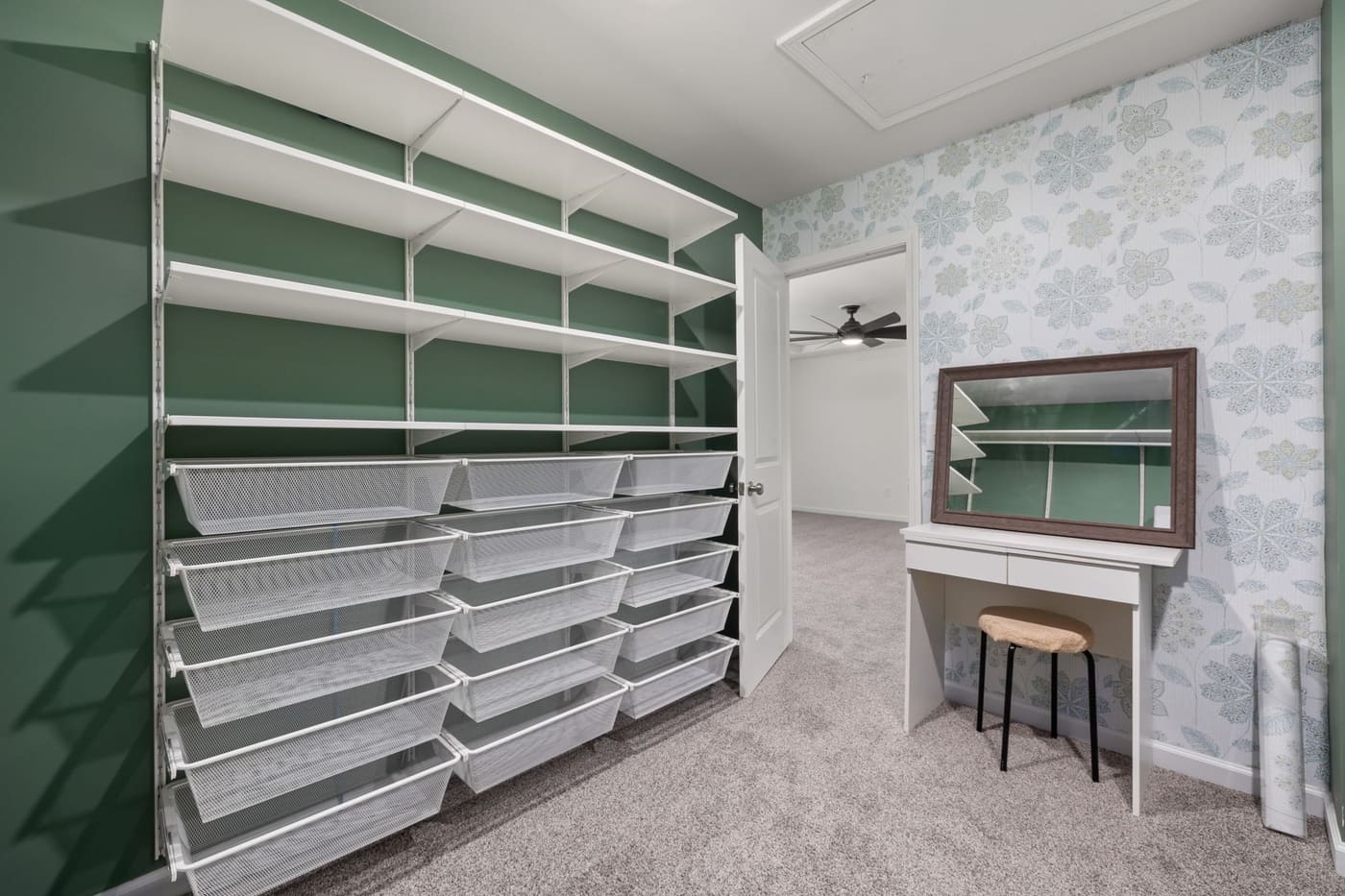
The organization systems that work best in small apartments are simple ones: a fixed home for every category, storage placed where the item is used, vertical space for things you reach for often, and open or lidded containers that take one motion to use. If putting something away takes more than two steps, the system will fail within weeks.
Most organizing advice fails because it is built for a tidy day and not a tired one. A system has to survive being rushed, ignored for a few days, and used by more than one person. Below is how to build that kind of system, zone by zone, plus a way to decide what to buy and what to skip.
Decide what stays before you organize
Containers do not solve too much stuff. They hide it for a month. Before you buy anything, reduce what you have, using a quick pass by category.
- Pull everything in one category into one place. Do clothes, then kitchen items, then papers, and so on.
- Sort into keep, donate or sell, and discard. Be honest about what you used in the last year.
- Count what is left. This tells you how much storage you actually need.
- Measure the space you plan to use.
Only then shop for storage. People often buy bins first and discover that they fit the wrong amount. A common rule of thumb is to leave some of each storage area empty, perhaps a tenth to a fifth, so that new items have a place and the system does not jam.
Give every category a home and a label
The core of any system is a fixed location for each type of item. Two practical rules:
- Store things where you use them first. Keep cooking oil near the stove, chargers near the outlet where you charge, and cleaning cloths near the sink.
- Group by category, not by room. All batteries and light bulbs in one box, all first-aid items in one pouch.
Labels matter more in shared homes. A simple label on a bin or shelf edge removes decisions and arguments. Use a label maker, painter’s tape and a marker, or removable stickers. In a rental, avoid permanent adhesive on surfaces you cannot replace.
A good test is whether a guest could put something back correctly. If they could, you have a clear system. If only you know where things go, it is too complicated.
Go vertical, but only where it is easy to reach
Small apartments have more wall than floor. Vertical storage is the best use of that space, but height has a catch: items above shoulder height or below knee height get used less.
Divide wall and closet space into zones:
| Zone | Height range | Best for |
|---|---|---|
| Prime | Roughly waist to eye level | Daily items |
| Upper | Above shoulder | Seasonal items, backups, lightweight things |
| Lower | Below knee | Heavy items, shoes, bins you pull out occasionally |
Useful vertical tools include:
- Tall, narrow bookcases or shelving units, anchored to the wall with the supplied anti-tip hardware, as the US Consumer Product Safety Commission recommends for tall furniture. Check your lease about wall anchors, since terms vary.
- Over-the-door hooks and organizers, which need no tools.
- Tension rods under sinks or in closets, which add a hanging rail without drilling.
- Closet double-hang rods that sit on the existing rod, often $15 to $40.
- Stackable bins and risers in cabinets and the pantry.
Always put heavy items low on tall furniture, and never overload a shelf beyond its rated capacity.
Zone-by-zone systems that hold up
Entryway
The entry is where clutter starts. A good system has three parts: a hook or rack for coats and bags, a tray or bowl for keys and wallet, and a spot for shoes, such as a mat and a narrow rack for 2 to 4 pairs. Add a small basket for mail and sort it as soon as it comes in. This catches clutter at the door and prevents it from spreading across the apartment.
Kitchen
Kitchens in small apartments run out of cabinet space quickly. Helpful options include:
- Drawer dividers for utensils, so you can see everything at once.
- Shelf risers inside cabinets, which double the usable surface for plates and bowls.
- A pull-out bin or turntable for under the sink, where space is awkward.
- Magnetic strips or a rail for knives and tools, if the lease allows and you use adhesive-rated options.
- Clear, stackable containers for dry goods, with a label and date on each.
Keep the counter mostly clear. Only items used daily, such as a kettle or coffee maker, should stay out.
Closet and clothing
Use the same hangers, fold items like T-shirts vertically in drawers so you can see all of them, and rotate seasonal clothes into under-bed bins or the top shelf. A good limit is to hang what wrinkles and fold what does not. When something new comes in, something old leaves. If your wardrobe overflows, accept that the real fix is owning less, not buying more bins.
Bathroom
Bathrooms are small and humid. Use a shower caddy that hangs without drilling, a mounted or over-the-toilet shelf, and a small drawer organizer. Keep only what you use daily within arm’s reach. Store backups in a bin under the sink or in a closet. Keep medications out of reach of children, and follow the storage instructions on the label, since many say to avoid heat and moisture. Ask a pharmacist if you are unsure.
Living area and work zone
Choose furniture that stores things inside, such as an ottoman or a console with doors. Keep a basket for throws, a dedicated drawer for tech and cables, and a single “inbox” tray for papers. For desks, a monitor riser with a drawer beneath gives you storage and clears the surface. For more furniture ideas, see what furniture is actually worth it in a small apartment.
Use containers that match the habit
The best container depends on how the item gets used.
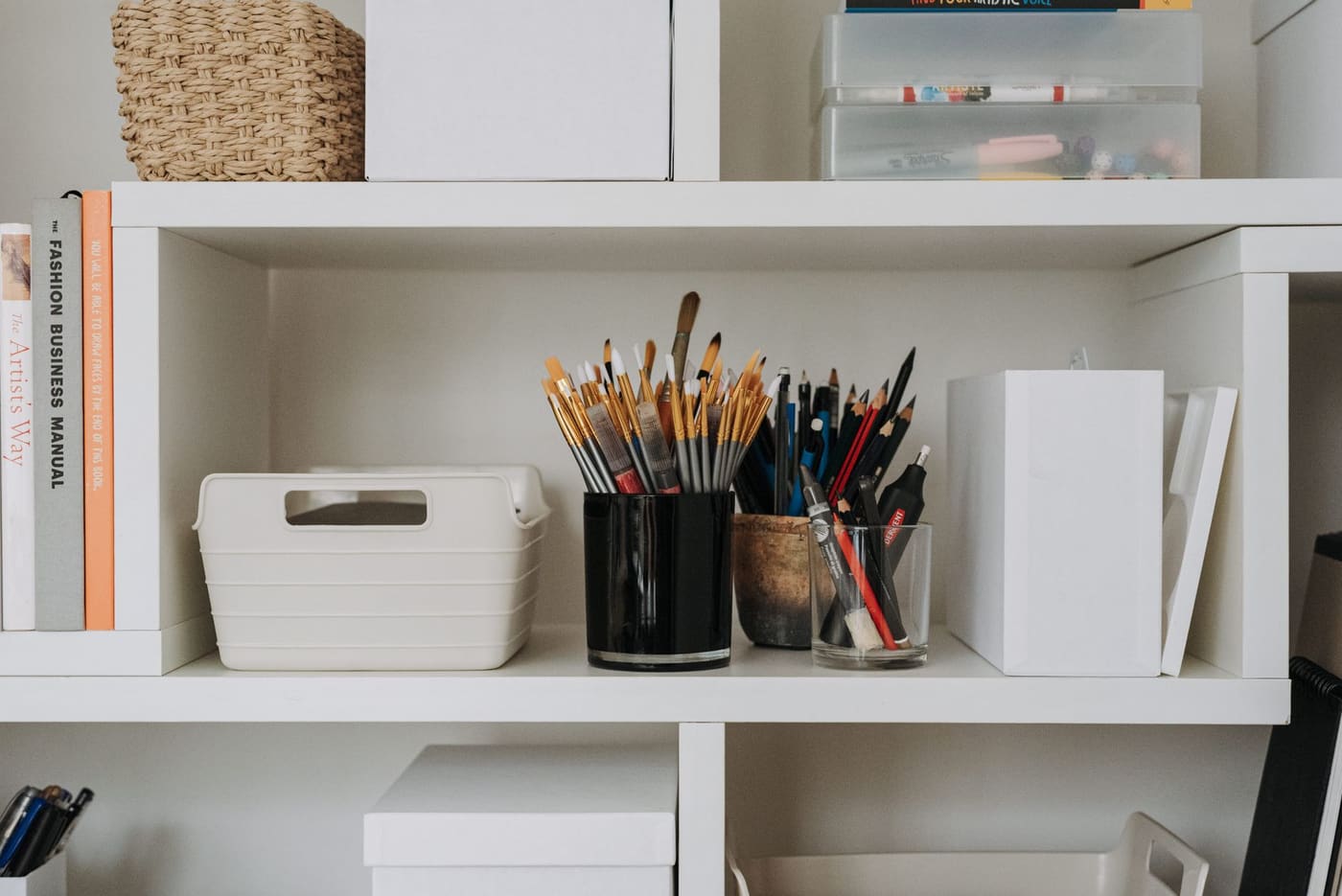
- Open bins and baskets work for things you grab and drop often, such as toys, shoes, or throws. Lids add a step that people skip.
- Lidded bins work for items you use rarely, like off-season clothes or holiday decor. Lids keep out dust and let you stack.
- Clear containers let you see contents without opening them, which suits pantry goods and craft supplies.
- Drawer dividers work for anything small and numerous.
Avoid buying a dozen different styles. Matching containers look calmer, and they stack and swap more easily. The article on stopping a small apartment from feeling visually chaotic explains why uniform storage matters for how a room reads.
Under-bed, over-door, and other forgotten space
Spaces that often go unused:
- Under the bed. Low, flat bins on wheels, usually 6 inches high or less, fit under many frames. Measure the clearance first. This is good for off-season clothes, bedding, and shoes.
- Behind doors. Over-the-door racks hold shoes, cleaning supplies, wrapping paper, or pantry items.
- Top of the fridge and cabinets. Use for rarely used items, with a basket to prevent dust.
- Inside cabinet doors. Small adhesive racks or hooks hold cutting boards, lids, or cleaning supplies.
- The back of the closet door. Hooks for bags, belts, or scarves.
Do not store flammable items, such as aerosol cans or fuel containers, near heat sources, and follow the warnings on the label. Keep walkways, exits, and radiators clear, since fire rules and many leases prohibit blocking exits. Rules vary by building and locality.
Build a maintenance habit
A system is only as good as the reset. Spend five minutes at the end of the day putting things back, and do a quick monthly audit: which bins overflow, which are never opened, and what has no home. Adjust the system to match how you really live. If an item keeps ending up on the floor, the home you assigned is probably in the wrong place. If this keeps happening across the apartment, why your apartment gets messy so fast covers the common causes, and a regular reset routine like the one in keeping an apartment clean without constant deep cleans keeps the system running.
Start with the biggest pain point
If the whole apartment feels overwhelming, pick the single place where mess bothers you most, such as the entry, the kitchen counter, or the desk. Build one working system there, live with it for two weeks, and only then move to the next area.
To work out how much a shelf unit holds, use the vertical storage capacity planner.
Where this comes from
The anti-tip advice reflects the US Consumer Product Safety Commission’s Anchor It campaign. The rest, including zoning storage by reach height, labeling, and matching containers to how often you use items, is common-sense organizing practice and widely published home organization guidance, not tested science. Prices are rough US ranges and change, so check current prices before you buy.