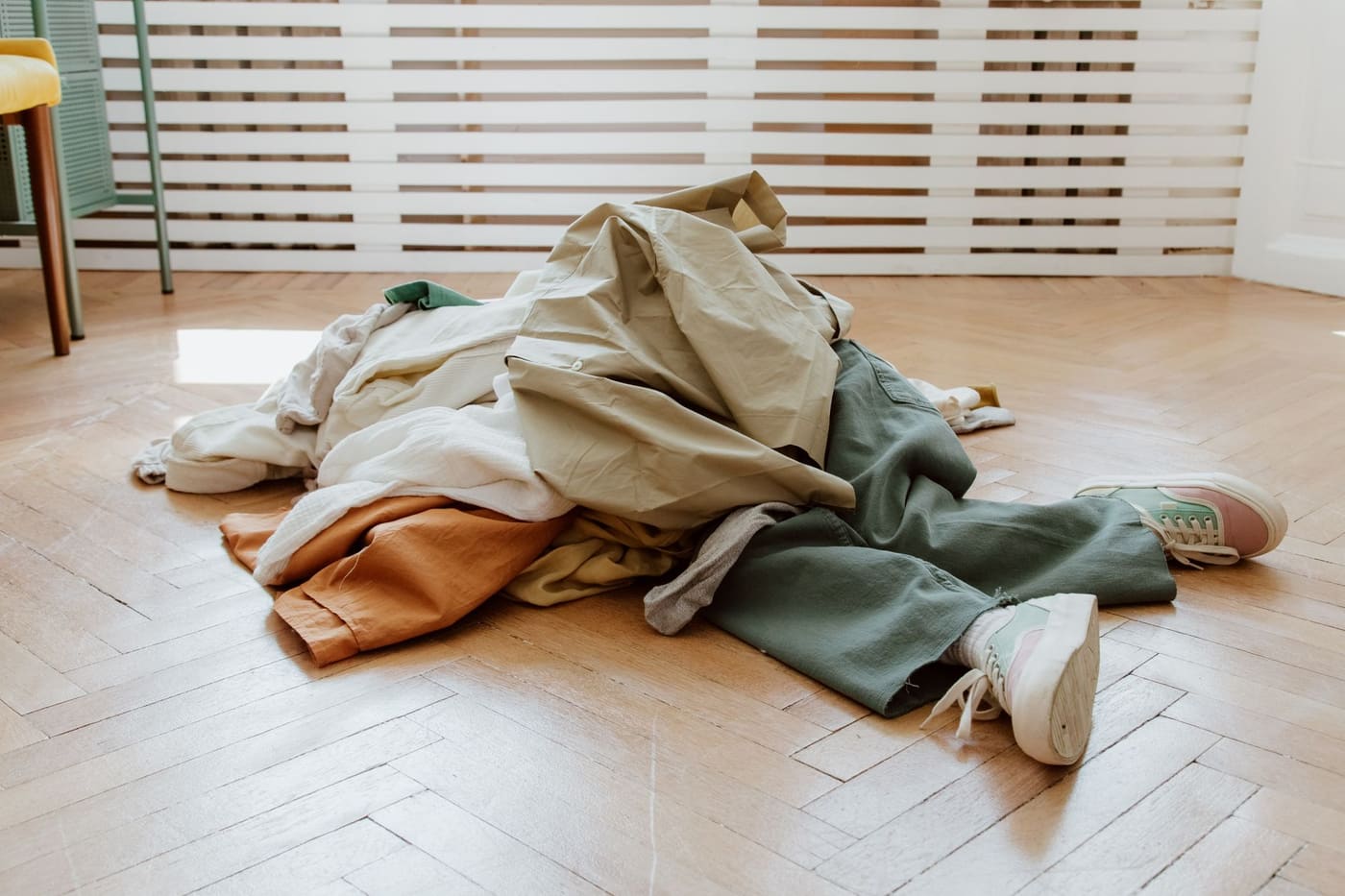
An apartment gets messy fast because small spaces have little buffer: every item without a home lands on a visible surface, every delayed chore shows immediately, and storage that is hard to use gets skipped. The cause is rarely laziness. It is usually a handful of fixable patterns, such as no landing zone, too many belongings, and cleanup that takes too many steps.
In a large house, one pile of clutter can hide in a spare room. In 500 square feet, a bag on a chair, a dish in the sink, and a few shoes by the door change how the whole place looks. The sections below go through the main causes in order of how often they happen, with a fix for each.
Small spaces show everything
A smaller space has fewer places to absorb mess, and more of the floor, counter, and furniture is in view at all times. Rooms also serve several roles. A table may be the desk, the dining spot, and the craft area, so anything left there is in the way of the next activity.
That means the first step is to accept that the standard has to be different. You cannot rely on “I’ll deal with it later” the way you might in a bigger home. The mess shows up because the margin for it is thin, not because you are doing worse than anyone else. The fix is to shorten the time between “used” and “put away.”
No landing zone for daily items
The most common source of clutter is the set of things that come in with you every day: keys, wallet, bag, mail, jacket, shoes, and packages. If there is no designated place, they land on the nearest surface and stay there.
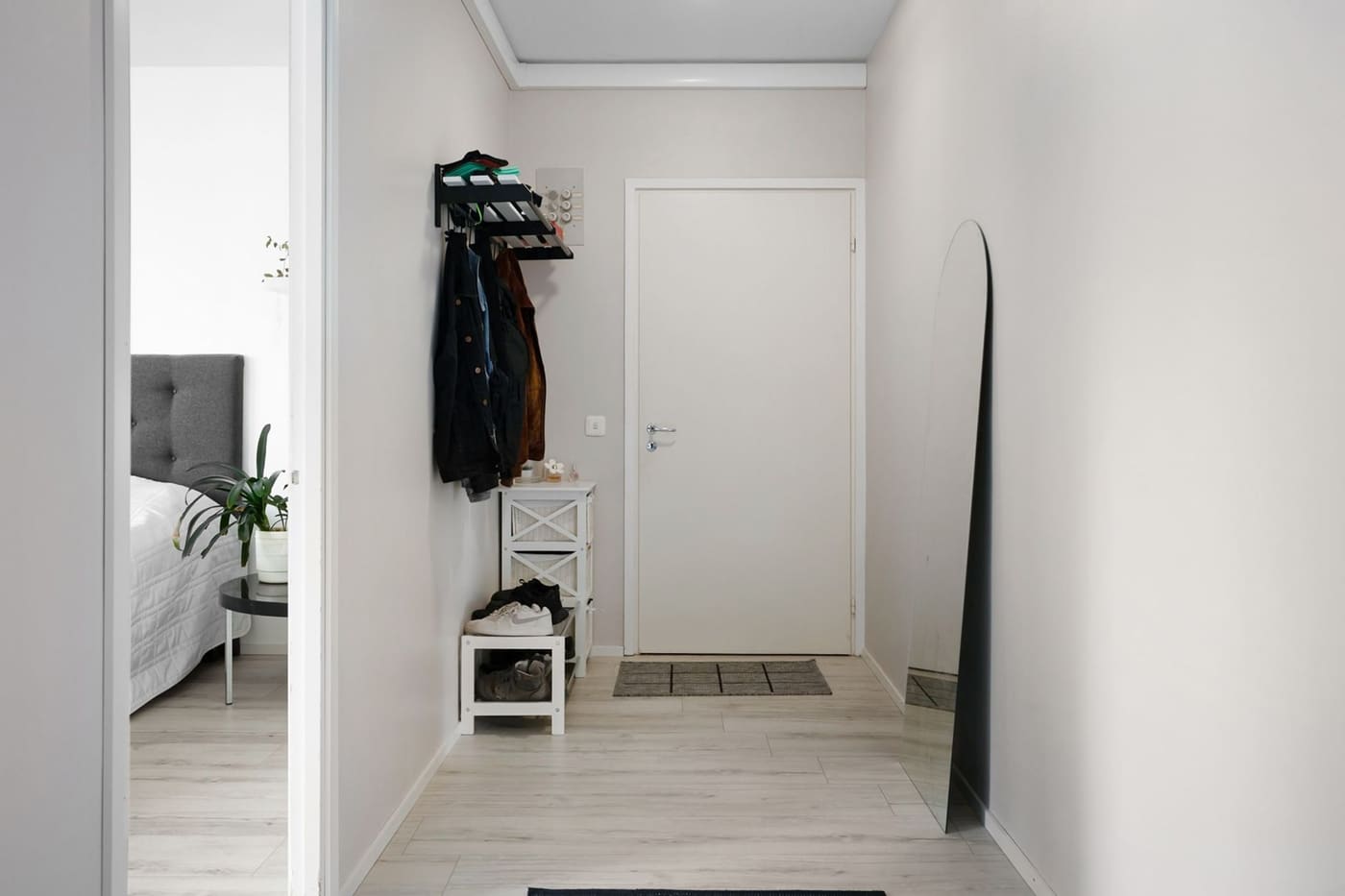
Build a landing zone near the door:
- A hook or two for bags and coats.
- A tray or bowl for keys and small items.
- A shoe mat or narrow rack.
- A small basket or bin for mail and packages, and a recycling bin nearby.
Use it for a week and adjust where things keep ending up. If the habit is to drop the bag on the sofa, put the hook beside the sofa path, or place a bench with a basket near it. The system should follow your actual behavior and not an ideal version of it. Costs are low, typically $20 to $60 for the set.
Too many items for the storage you have
If you have more belongings than your storage can hold, the extra ends up on surfaces. A simple check is to look at your closets, drawers, and cabinets. If they are packed so tightly that you have to shove things in, there is no room for a new purchase and nothing will go back easily.
A common rule of thumb is to leave some slack in your storage rather than packing it to the limit. If you are over that, you have two choices: buy more storage or own less. Buying storage helps when you have a particular unstored item, but it does not solve general overflow.
Do a category pass:
- Sort one category at a time, like clothing or kitchenware.
- Remove duplicates, broken items, and anything you have not used in a year.
- Donate or sell what is still in good shape.
Packing tightly is a common problem in closets, and the guide to organization systems that work best in small apartments offers ways to fit more usefully.
Putting things away takes too many steps
Clutter follows friction. If putting away a jacket means opening a closet, finding a hanger, and hanging it, the jacket goes on the chair. If a cleaning cloth is in another room, the spill stays.
Look for steps you can remove:
| Friction | Quick fix |
|---|---|
| Closet door sticks or is hard to reach | Add an over-the-door hook for daily items |
| Lidded bins for everyday items | Switch to open baskets |
| Hamper is far from where you undress | Put a small hamper in the bedroom or bathroom |
| Dishwasher full of clean dishes | Empty it first thing in the morning |
| Trash can is small or far away | Get a larger one placed near the kitchen workspace |
| Cleaning supplies stored far away | Keep a spray and cloth under each sink |
A general rule is to make putting things away take no more than two or three seconds and one motion. Make the correct behavior the easy one.
Delayed chores snowball
Dishes, laundry, and trash are the chores that pile up fastest, and each has a clear tipping point. A few dishes in the sink attract more. A laundry basket that is full means clean clothes get dropped on the floor. A full trash bin means bags beside the bin.
Adopt triggers that tie chores to existing routines:
- Dishes: Wash or load them right after eating, or at least before bed.
- Laundry: Do one load on a fixed day, instead of waiting until you run out of clothes. A small apartment can use a stackable washer-dryer or a laundromat trip. Never overload a dryer and clean the lint trap, since lint is a fire risk.
- Trash: Take it out when full, and not when it overflows. Empty food waste daily in warm weather to avoid odors and pests.
- Surfaces: Do a 5-minute sweep before bed.
The full routine is in how to keep an apartment clean without constant deep cleans.
Open storage and visible “almost clutter”
Visual noise makes a place feel messy even when it is technically clean. Open shelves with mixed items, tops of fridges, bare counters covered with appliances, and stacks of papers all read as clutter. Often, a space that is not dirty still feels disordered.
To reduce that effect:
- Clear most countertops and keep only daily-use items out.
- Use matching baskets or boxes for loose items on shelves.
- Keep a single “inbox” tray for papers, and clear it weekly.
- Move small appliances you use rarely into cabinets.
- Hide cables with clips or a cable box.
For a deeper look, see how to stop a small apartment from feeling visually chaotic.
Multiple people and unclear ownership
In shared apartments, messes grow when responsibilities are fuzzy. Everyone assumes someone else will deal with the dishes, the trash, or the floor.
Some approaches that work:
- Assign zones or tasks, not just “keep it clean.” One person takes the kitchen, the other the bathroom, and you swap monthly.
- Give each person a personal space, such as a shelf, a bin, or a drawer, for their own items.
- Agree on a short list of baseline standards, like no dishes in the sink overnight.
- Use a shared list for supplies like trash bags and cleaning products.
Keep the conversation about the system and not about character. A written, simple agreement tends to cause less conflict than recurring reminders.
When the mess may mean something else
Sometimes ongoing mess is not about systems. Low energy, stress, depression, ADHD, or a demanding schedule can make routine upkeep much harder. If you feel overwhelmed and unable to keep up despite simple systems, talking with a doctor or mental health professional may help, and it is not a personal failure. If you are ever in crisis, contact your local emergency number or a crisis line in your country.
Also note health-related warning signs. If you see recurring pests, mold on walls or ceilings, or persistent damp, these are building issues. Report them to the landlord in writing. The EPA’s mold guidance suggests a professional for areas larger than about 10 square feet, and you should never mix cleaning chemicals. Lease terms and local law vary on who handles repairs.
A one-week experiment
Track where mess lands for seven days. Each evening, note the three spots with the most clutter and what the items are. Patterns usually show up: a bag always on the chair, mail always on the counter, clothes in the same corner. Each one points to a missing home or a too-hard step, so fix those three spots first.
Where this comes from
The mold note comes from the US Environmental Protection Agency’s guidance on mold cleanup in the home. The advice on the causes of clutter, landing zones, friction, and chore triggers is based on common-sense home organizing practice, not on research we ran, so treat the numbers as rules of thumb. Dryer lint and cleaning chemical cautions reflect general consumer safety guidance. Costs are rough US ranges and change, so check current prices before you buy.